One larger compartment for issued personal gear
Define the representative load, carry distance, opening, handles, strap and vehicle storage.
Review duffel reference →CONSTRUCTION, FACILITIES & FIELD-SERVICE PROGRAMS
Develop duffels, backpacks, device sleeves and accessory pouches for technicians, installers, facilities teams and other mobile workforces—without assuming heavy-tool or protective performance.
PROGRAM BEFORE PRODUCT
Technicians, installers, facilities teams and construction service crews may carry documents, devices, clothing, cables, small approved parts and personal items between sites. The contents, handling method, vehicle storage and issue process determine the useful format.
Do not describe a soft bag as a certified tool carrier, PPE container, waterproof system or protective case unless the complete project is designed and tested to the buyer’s written criteria.
BUYING PATHS
Define the representative load, carry distance, opening, handles, strap and vehicle storage.
Review duffel reference →Map compartments and loaded carrying around the buyer-approved contents and use route.
Review backpack structure →Approve internal clearance, padding, zipper contact and identification for the target device.
Review sleeve structure →Control opening, dimensions, label visibility and pouch assignment within the program.
Review zipper pouches →PROGRAM CONTROL
Record every item, dimensions, total load, work role and storage method.
Check openings, compartments, carry points and item retrieval in the intended routine.
Agree any abrasion, load, cleaning or weather test before stating performance.
Record identifiers, labels, site quantities, individual packing and carton splits.
PRODUCT REFERENCES
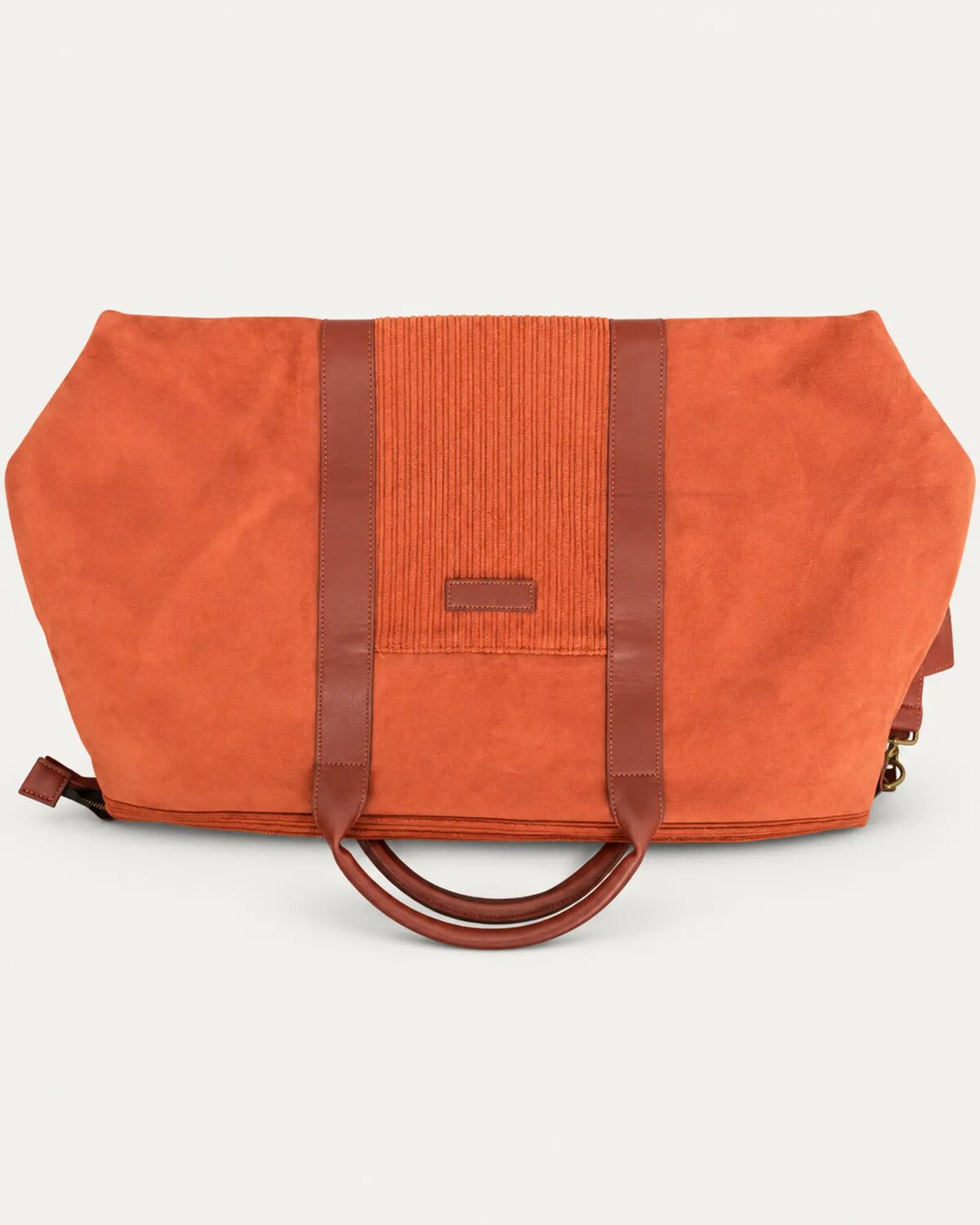
Review representative load, opening, handles, strap and vehicle storage.
View product ↗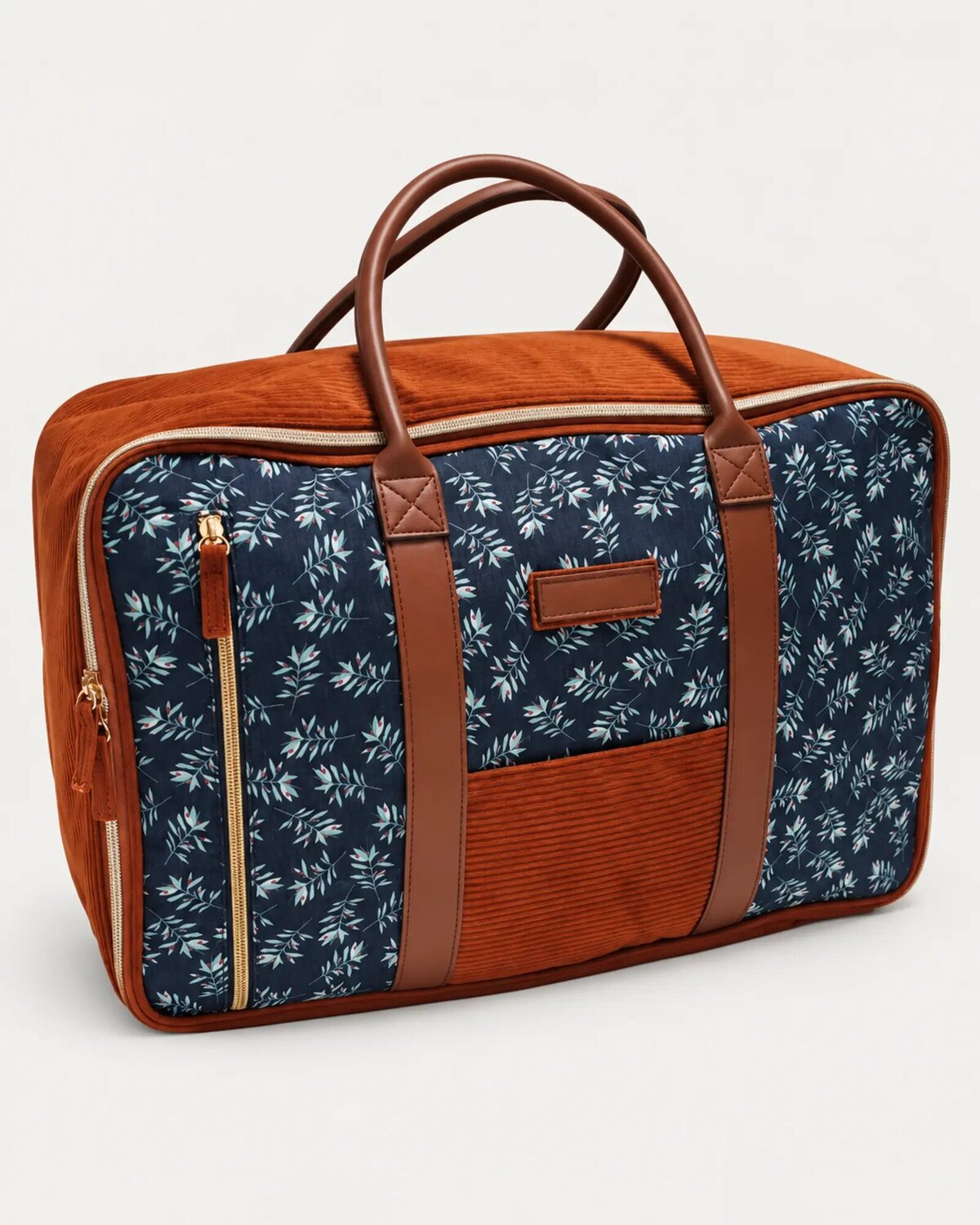
Use the structure to brief capacity, carrying, identification and shape control.
View product ↗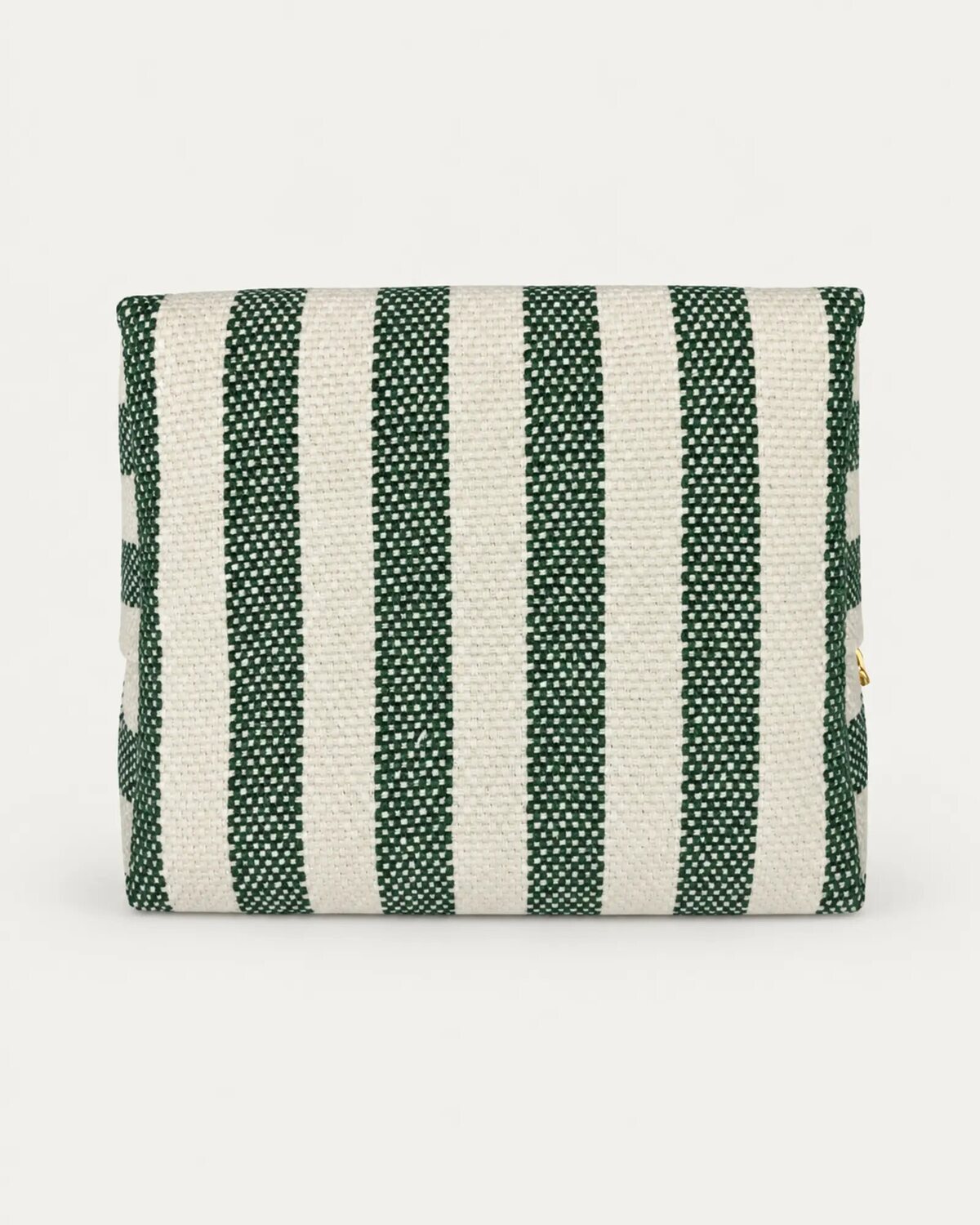
Separate buyer-approved small items with controlled size, closure and labels.
View product ↗The references show adaptable soft-bag structures. The buyer must define the real contents, loads, workplace conditions, required standards and test methods. Final claims can only follow written project-specific approval and verified testing.
BUYER FAQ
Share user roles, every intended item, dimensions, representative load, carrying method, vehicle or site storage, quantity, labels, destination and required issue date.
No general claim should be assumed. Heavy tools require buyer-defined loads, construction, reinforcement, safety review and verified project-specific testing before any suitability statement.
Not by default. Water resistance, liquid protection and PPE storage are separate requirements that must be specified, designed and tested for the individual project.
Use a written version matrix covering color, artwork, staff identifier, label, contents, quantity and carton allocation for every team or site.
PROGRAM CONTROL GUIDES
Validate issued gear fit and control team, site and location allocation without implying protective performance.
Validate kit contents and bag fit →
Plan versions and multi-location allocation →
REPEAT PROGRAM EVIDENCE
Preserve team version, intended contents, soft-bag construction and location packing records without implying protective performance.
Control the reorder record →
Plan the bulk retention sample →
Plan pack-out photo evidence →
START THE PROGRAM