Material & color
Woven fabrics, coated textiles, recycled-material options, functional linings and Pantone color matching can be developed to brief.
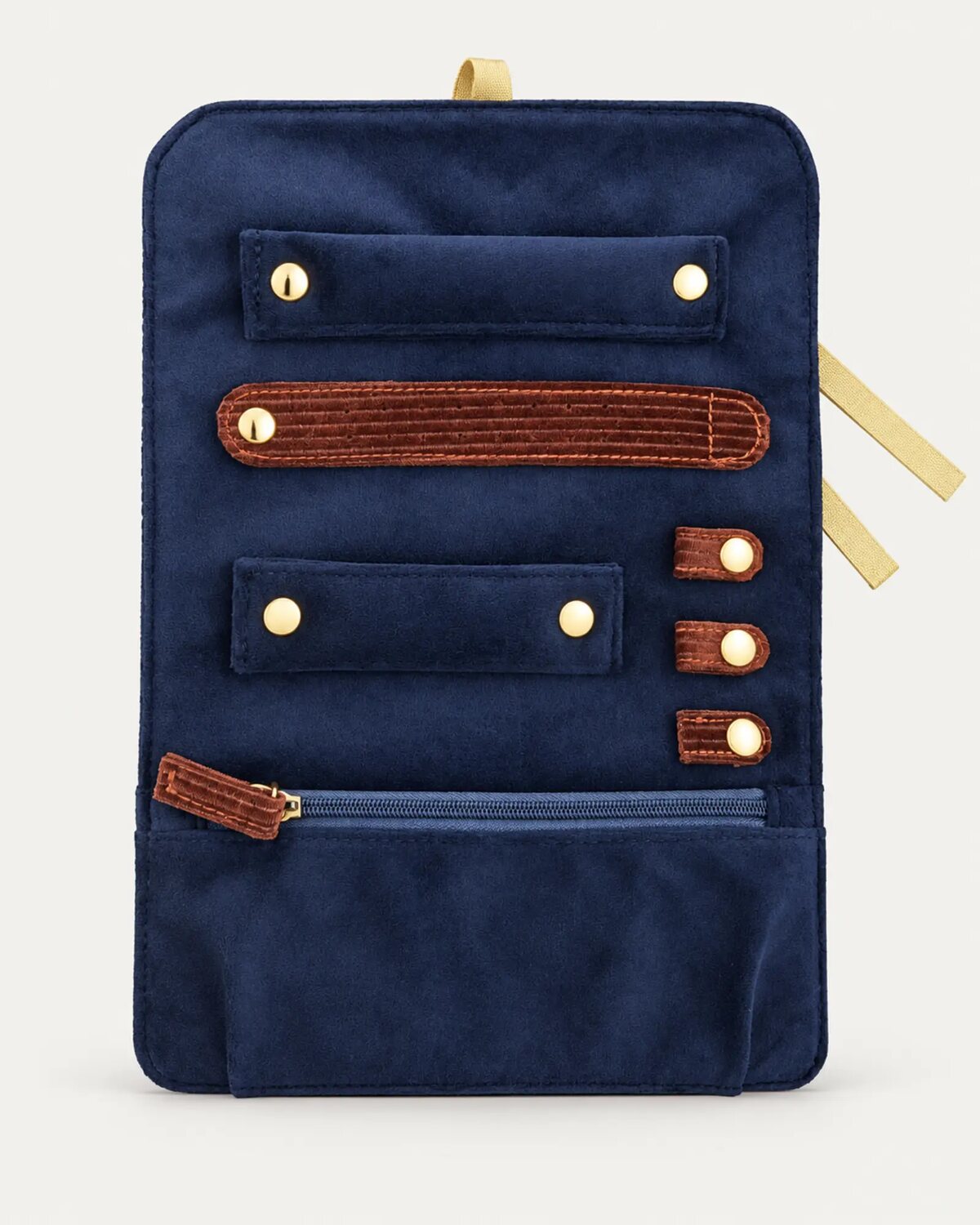
Travel & Organizer Bags · BSN-TR-003
A foldable organizer designed to separate jewelry and small personal accessories while traveling.
MAKE IT YOURS
Woven fabrics, coated textiles, recycled-material options, functional linings and Pantone color matching can be developed to brief.
Print, embroidery, woven labels, rubber or metal badges, custom pullers and packaging are available.
Dimensions, compartments, closures, straps, reinforcement and internal organization can be adapted during sampling.
BUYER DEVELOPMENT REVIEW
Use representative jewelry to approve compartment fit, closure clearance, surface protection and access without tangling.
TRAVEL-USE REVIEW
A travel jewelry organizer should be approved with representative rings, earrings, chains and small accessories. Fold thickness, closures and lining contact matter as much as outside size.
Test posts, rings, chains and small items in each zone.
Check hinge thickness and closure alignment when loaded.
Review lining, hardware and potential snag points.
Protect shape and fitted components during shipment.
PRODUCT FAQ
Provide representative pieces and define clearance, access and retention for each compartment type.
Confirm hardware alignment and pressure so the organizer closes without contacting or crushing the intended contents.
Contents change fold thickness, closure alignment and contact points, revealing risks that are not visible in an empty sample.
KIT & ROLLOUT CONTROL
Fit and allocation should be approved with buyer-authorized contents and records. No security, protective or regulated-use performance is implied.
Premium travel, amenity, loyalty or welcome programs
Representative items, compartment fit, fold clearance, closure and lining
Control program versions, packed-set identity and destination quantities
Validate kit contents and fit → Plan multi-location allocation → Send the program brief →
MATERIAL & VARIANT EVIDENCE
Define the exact product version before deciding which declaration, report or certificate is relevant. Keep shared evidence traceable and leave unsupported claims or variants open for review.
Exterior, lining, padding, pocket materials, zipper, snaps, holders, dimensions and intended contents
Create rows for each material, hardware finish, compartment layout, colorway and size version
Component evidence should not be extended to jewelry protection, tarnish prevention or other unverified claims
Review material declarations → Build the SKU evidence matrix → Share project requirements →
MORE FROM BSN
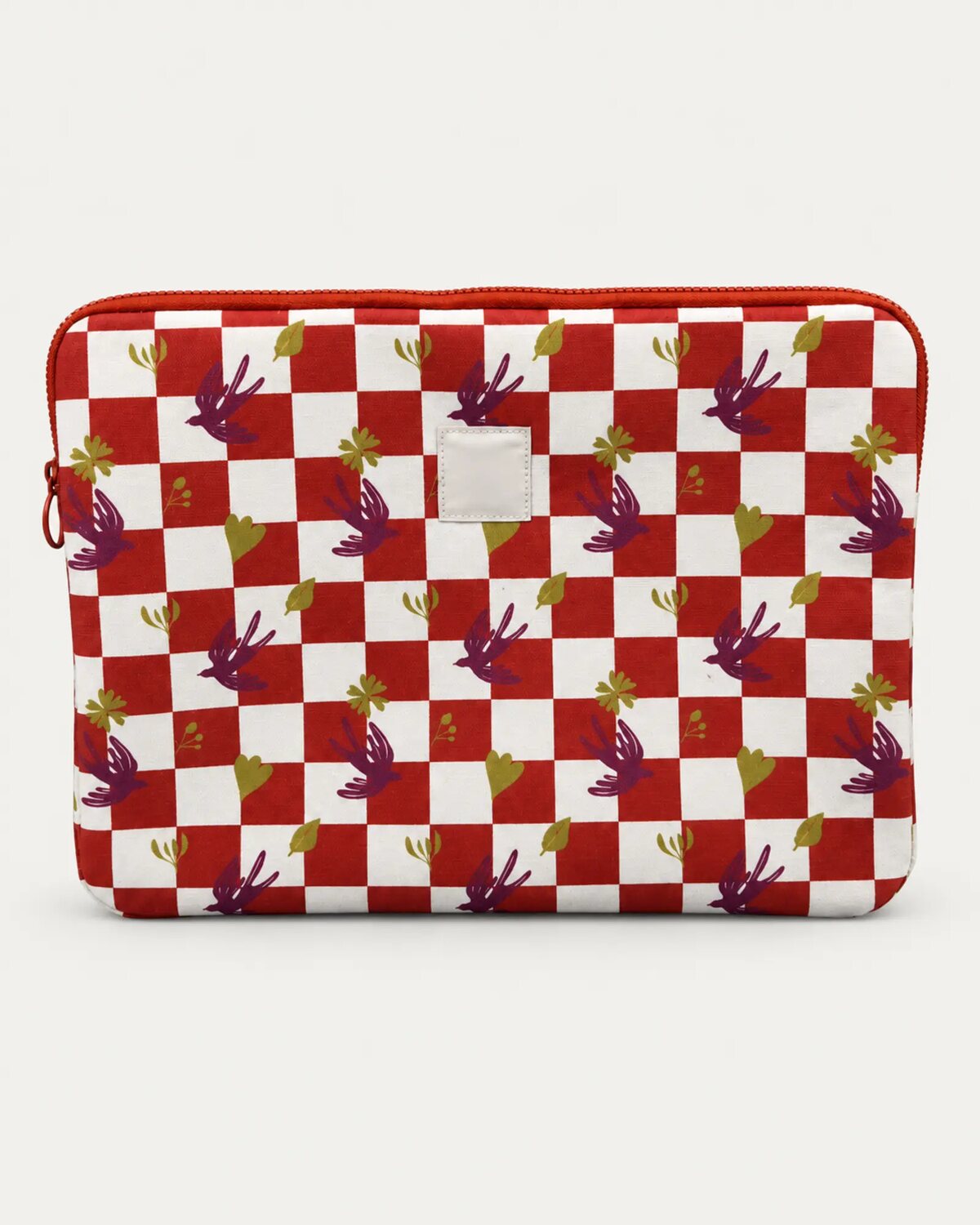
A slim protective sleeve for tablets, documents and compact electronics.
View product ↗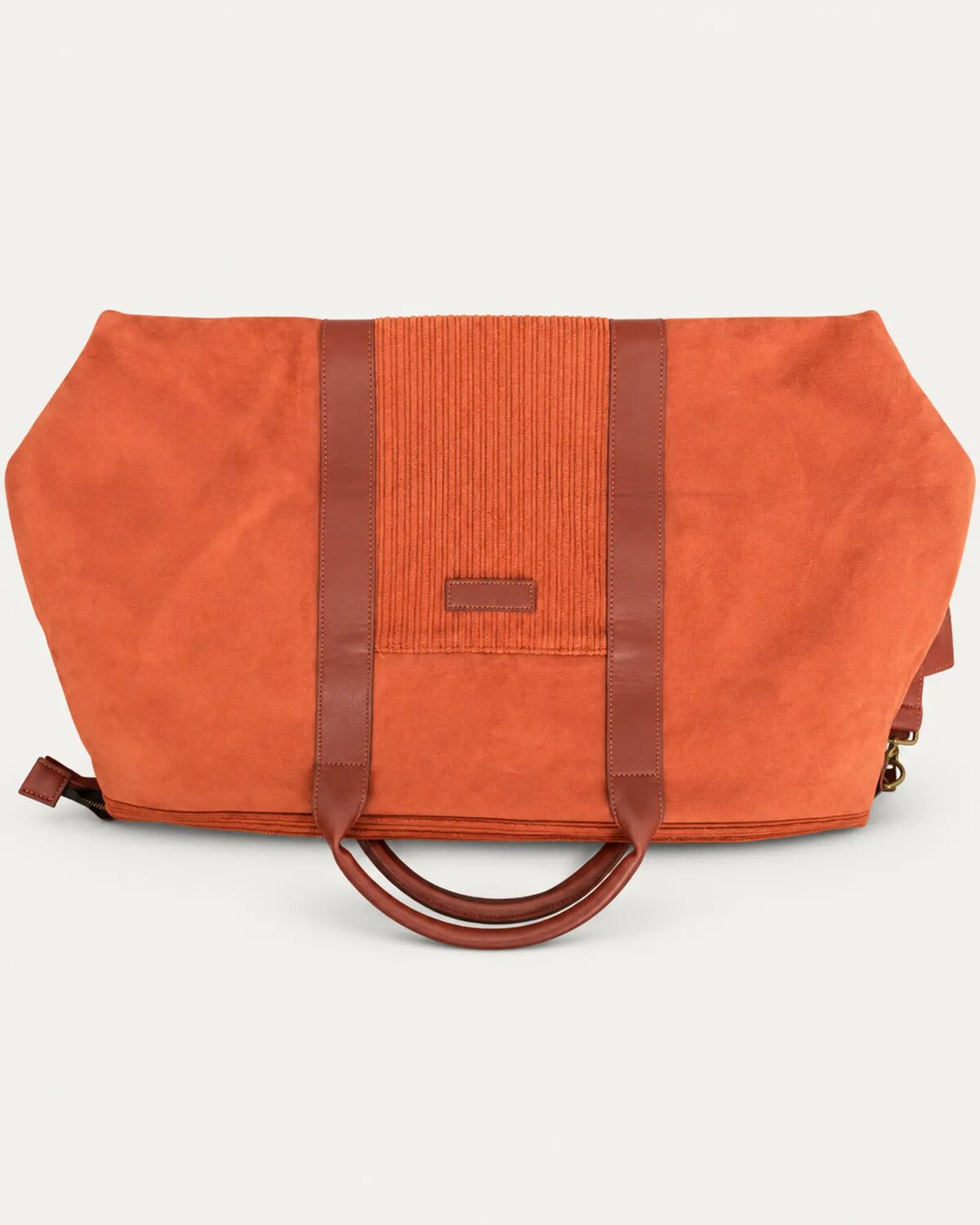
A spacious soft duffel with reinforced handles and a clean fashion-led profile.
View product ↗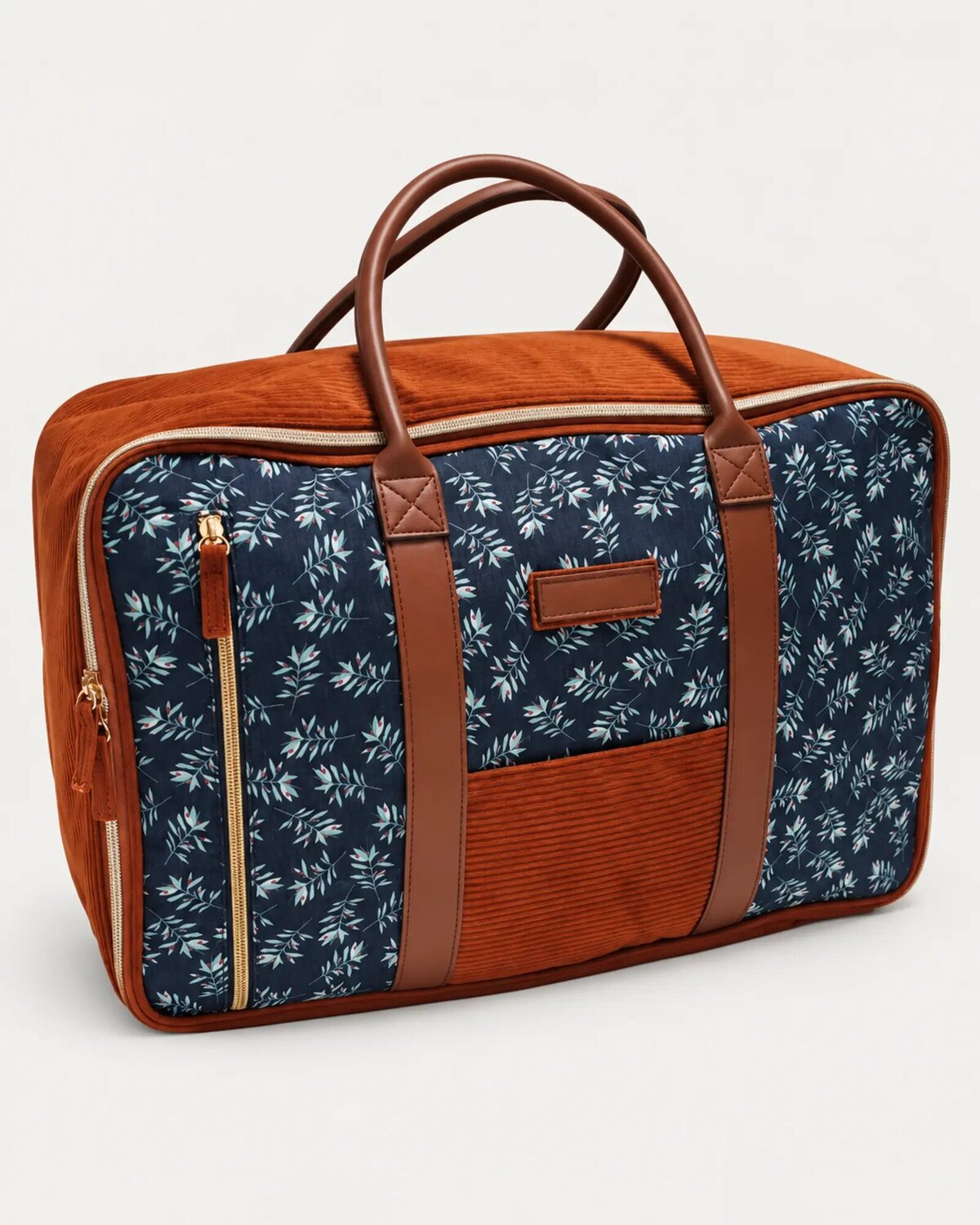
A structured holdall combining botanical print panels with warm contrast trims.
View product ↗